Support Your Mind, Starting Today
Read the full Lion's Mane ingredient breakdown and see how it fits the complete formula.
Shop MemoFix USA OfficialA research-grounded look at Lion's Mane Mushroom and its studied association with Nerve Growth Factor, neuroplasticity, and cognitive support.
Lion's Mane (Hericium erinaceus) looks unlike most culinary or medicinal mushrooms — a shaggy, cascading white growth that resembles its namesake. Its appearance aside, what's drawn sustained attention from neuroscience researchers is a specific set of compounds it produces: hericenones and erinacines.
Nerve Growth Factor (NGF) is a protein that plays an essential role in the growth, maintenance, and survival of neurons. It's central to neuroplasticity — your brain's capacity to form new synaptic connections and adapt to new information. Lion's Mane compounds have been studied specifically for their potential to stimulate NGF synthesis, a mechanism distinct from most other cognitive-support botanicals.
Much of the foundational research on Lion's Mane and NGF comes from laboratory and animal studies, which have consistently identified a plausible mechanism by which the mushroom's compounds could support neuron health. This kind of preclinical research is valuable for establishing mechanism, though it's a different tier of evidence than large-scale human trials.
A growing number of small human trials have examined Lion's Mane in the context of mild age-related cognitive complaints, generally over periods of 8 to 16 weeks. Early results are promising but the human evidence base remains smaller than for more extensively studied ingredients like Ginkgo Biloba or Bacopa Monnieri — an honest state of the research that's worth acknowledging rather than overselling.
Given where the evidence currently stands, Lion's Mane is most defensibly positioned as a complementary ingredient within a broader formula rather than a standalone solution. Its proposed mechanism — supporting the structural health of neurons via NGF — is genuinely distinct from acetylcholine-focused ingredients like Alpha GPC or circulation-focused ingredients like Ginkgo, which is why formulas often include it alongside rather than instead of those approaches.
Extraction method affects potency meaningfully — Lion's Mane extracts vary in their concentration of the active hericenone and erinacine compounds depending on whether fruiting body, mycelium, or a combination is used. A dose disclosed on the label, as opposed to a vague 'proprietary mushroom blend,' is the most useful piece of information for evaluating any Lion's Mane product.
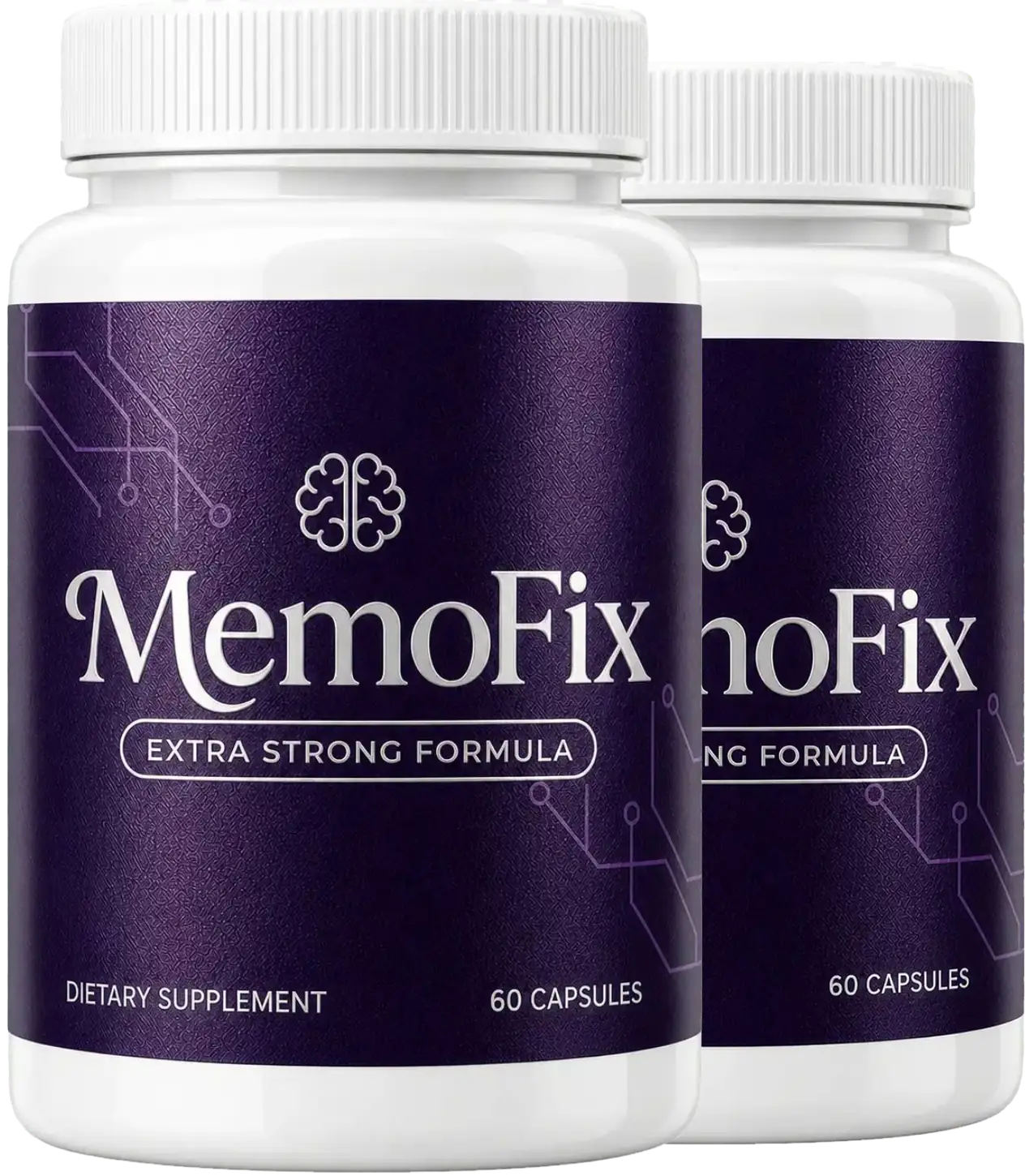
MemoFix USA includes 500mg of Lion's Mane as part of its eight-ingredient formula, positioned alongside Alpha GPC, Huperzine A, and Ginkgo Biloba as one of several complementary mechanisms rather than a stand-alone claim.
Read the full Lion's Mane ingredient breakdown and see how it fits the complete formula.
Shop MemoFix USA Official