Support Your Mind, Starting Today
See how Rhodiola Rosea fits alongside the other seven ingredients in the full formula.
Shop MemoFix USA OfficialHow Rhodiola Rosea, a traditional adaptogenic root, is studied for supporting the body's stress response and its relationship to sustained mental focus.
Rhodiola Rosea grows in some of the most demanding environments on Earth — the cold, high-altitude regions of Scandinavia, Siberia, and the mountains of Central Asia. Populations native to these regions have used the root for centuries specifically to support endurance and mental performance under harsh, resource-scarce conditions.
Rhodiola belongs to a category of botanicals called adaptogens — compounds studied for their role in helping the body's stress-response systems function more efficiently, rather than acting as a direct stimulant or sedative. The defining characteristic of an adaptogen is normalization: supporting a more balanced stress response rather than pushing the body in one particular direction.
Chronic, unmanaged stress has a well-documented negative relationship with cognitive function, particularly memory and focus. Elevated cortisol — the body's primary stress hormone — is associated with impaired hippocampal function, the brain region most tied to memory formation. This is the biological basis for why an ingredient addressing stress response has genuine relevance to cognitive performance, not just general wellbeing.
Clinical research on Rhodiola has generally focused on fatigue and stress-related performance decline during demanding periods — studies involving night-shift workers, students during exam periods, and individuals under sustained occupational stress. Findings across this research point to a role in reducing fatigue-related decline in mental performance, rather than a general cognitive-enhancing effect independent of stress.
It's worth being precise about what Rhodiola's evidence actually supports: it's better understood as protective against stress-induced cognitive decline than as a direct memory or focus enhancer on its own. This distinguishes it from ingredients like Bacopa Monnieri or Alpha GPC, which are studied for more direct effects on memory pathways.
Because sustained focus depends partly on a regulated stress response, Rhodiola's role in a broader cognitive formula is to protect the conditions under which other ingredients — like the acetylcholine-support compounds Alpha GPC and Huperzine A — can do their work effectively. A brain under chronic stress is a harder environment for any nootropic to meaningfully support.
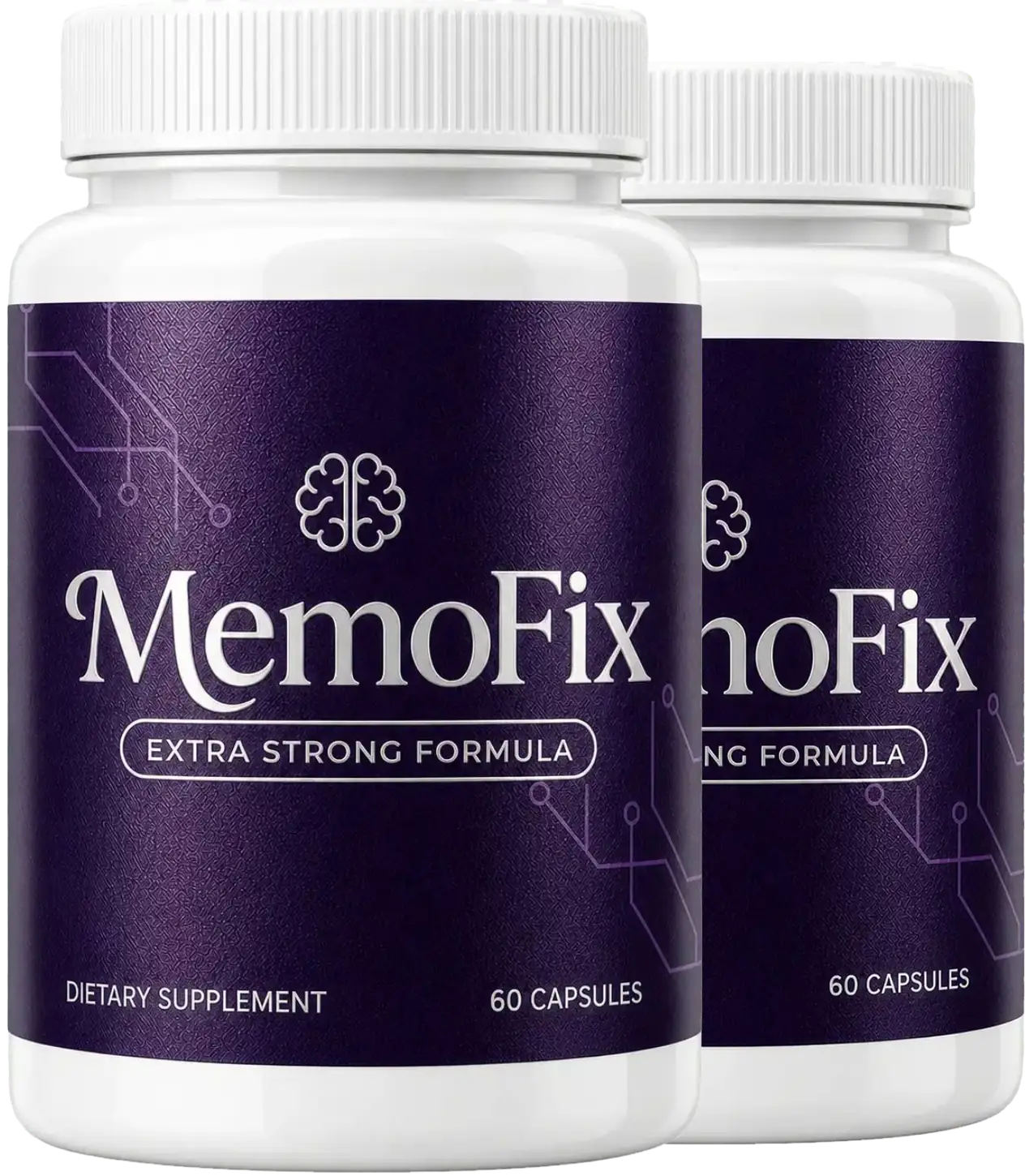
MemoFix USA includes 250mg of Rhodiola Rosea specifically for this stress-resilience role, working alongside the formula's memory- and circulation-focused ingredients rather than duplicating their function.
See how Rhodiola Rosea fits alongside the other seven ingredients in the full formula.
Shop MemoFix USA Official